
CLINICAL INSIGHTS
Evidence. Understanding. Clinical perspective.
Explore the research, biological principles and clinical considerations that contribute to informed decision-making in modern implant dentistry.
Clinical decisions begin with understanding
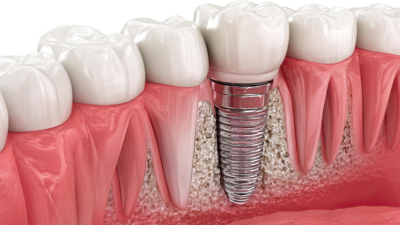
Successful implant treatment involves more than choosing an implant with suitable dimensions and geometry. Bone characteristics, primary stability, surface properties, prosthetic requirements and patient-specific factors all influence treatment planning.
At SGS Dental Implant UK, we believe that understanding the science behind implant technology is essential to making informed clinical decisions.
This section brings together published research, insights into implant surface technology and relevant clinical considerations, providing dental professionals with access to information that extends beyond product specifications.
Featured Clinical Research
Investigating the SGS SBTC® surface: a randomised controlled clinical trial
Published in Head & Face Medicine, April 2024
A clinical investigation by Antal and colleagues examined the performance of SGS Dental’s Smart Bioactive Trabecular Coating (SBTC®) compared with an established electrochemically deposited calcium phosphate surface treatment.
The randomised, split-mouth study involved 20 fully edentulous patients and 40 SGS P7D implants, with a two-year follow-up period.
40 implants | 20 patients | 2-year follow-up
Implant stability, peri-implant bone-level changes and patient-reported oral health-related quality of life were evaluated throughout the study.
All implants achieved successful osseointegration and remained clinically stable during the observation period. Although the SBTC® group demonstrated a greater increase in implant stability measurements and somewhat lower bone resorption, the differences between the two surface treatments were not statistically significant.
The investigators concluded that SBTC® represented a clinically viable alternative to the established control surface within the conditions examined.
This research contributes valuable clinical evidence to the understanding of electrochemically deposited bioactive implant coatings. As with any individual clinical trial, its findings should be interpreted in the context of the study population, implant system and treatment protocol.
Understanding Implant Surface Technology
The biological interface matters.
The interaction between an implant surface and the surrounding biological environment is a fundamental aspect of osseointegration.
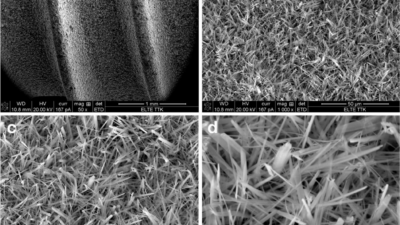
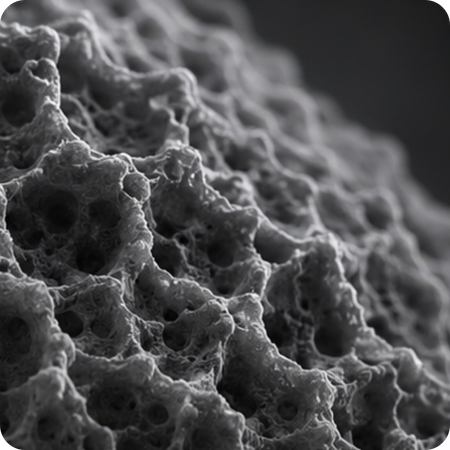
Surface topography, chemistry and wettability can influence the early biological processes that take place following implant placement, including protein adsorption, cellular attachment and the formation of new bone.
SGS Dental’s SBTC® technology uses an electrochemically deposited calcium phosphate coating designed to provide a bioactive interface between the implant and surrounding tissue.
The clinical significance of surface modifications, however, must be evaluated through appropriate research. Laboratory characteristics alone cannot establish superior clinical outcomes, and implant stability depends on several interacting biological and mechanical factors.
Understanding these relationships enables clinicians to assess implant technologies with greater confidence and appropriate expectations.
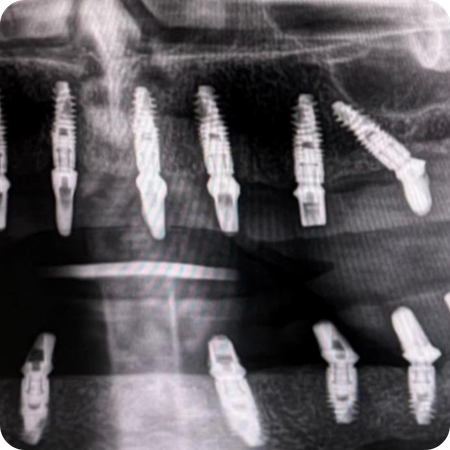
From Implant Stability to Long-Term Treatment Planning
Clinical predictability is never determined by one factor alone.
Primary stability is an important consideration when selecting an implant design and planning the surgical protocol, particularly where immediate or early loading is being considered.
Yet insertion torque and initial mechanical fixation represent only part of the clinical picture. Bone quality and volume, implant positioning, prosthetic design, loading conditions and the patient’s individual risk profile must also be considered.
Similarly, long-term implant assessment extends beyond osseointegration. Peri-implant tissue health, marginal bone-level changes, restoration design and maintenance all contribute to the evaluation of clinical outcomes.
The relationship between implant design, surface characteristics and biological response is therefore best understood within the context of the complete treatment plan.
Research & Publications
Further evidence from clinical implantology
Explore selected publications associated with SGS Dental implant research and clinical applications.
PRF versus xenograft in sinus augmentation
–
Dominiak et al., 2021
A 36-month retrospective study investigating sinus augmentation using platelet-rich fibrin or xenograft material alongside hydroxyapatite-coated SGS implants.
Full-arch rehabilitation with variable-thread implants
–
Antal et al., 2016
A clinical investigation of full-arch rehabilitation using four- and six-implant protocols, examining short-term implant outcomes and peri-implant bone-level changes. The study used SGS P7 implants.
Explore additional SGS research
–
Further publications, scientific reports and related materials are available through the international SGS Dental resource library.
Connecting Research with Clinical Practice
Scientific evidence provides an important foundation, but its application requires clinical judgement and appropriate case selection.
Explore the practical aspects of SGS implantology through our dedicated resources:
- Clinical Cases – Documented implant treatments and clinical applications.
- Guided Surgery – Digital planning and guided implant placement.
-
Digital Dentistry – Restorative workflows, CAD/CAM solutions and digital components.
Explore SGS Implant Systems
Discover the design principles, restorative connections and clinical considerations behind the SGS P1D and P7N implant systems.
P1D Implant System | P7N Implant System
For dental professionals
The information presented is intended for qualified dental professionals and does not replace individual clinical assessment, appropriate training or current manufacturer instructions for use.