
DIGITAL DENTISTRY
Digital technology should make implant treatment more connected, not more complicated.
Digital implant dentistry, built around your workflow.
From treatment planning and intraoral scanning to CAD/CAM restorations, SGS Dental offers digital components and software resources designed to integrate implant treatment into established clinical and laboratory workflows.
Whether you work with a fully digital process or combine digital and conventional techniques, the focus remains the same: informed clinical decisions, appropriate component selection and reliable communication between clinician and technician.
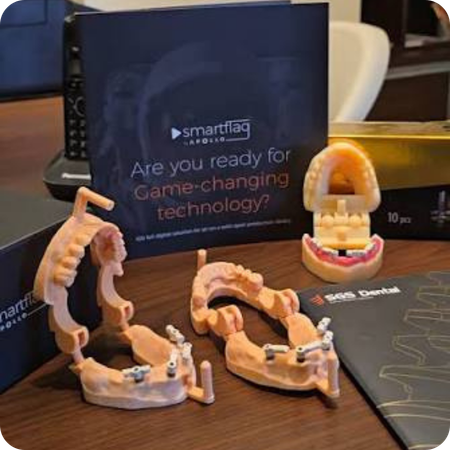
Technology should fit the way you work.
Digital dentistry is not simply about replacing impressions with scans or adopting the latest software. Its real value lies in connecting information that would otherwise be managed separately.
Implant positioning, restorative design, anatomical considerations and laboratory communication all influence the final outcome. Bringing these elements together digitally allows the restorative requirements to be considered earlier and helps clinicians and technicians work from a shared treatment plan.
SGS Dental supports this approach with implant-specific digital libraries, scanning components and restorative interfaces for its implant systems, including P1D and P7N.
The technology supports the workflow. Clinical judgement remains central to every stage.
Start with the restoration. Plan the implant accordingly.
Successful implant treatment begins with understanding what the definitive restoration needs to achieve.
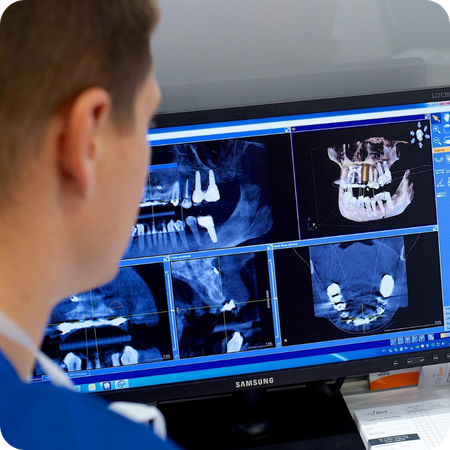
Where appropriate, CBCT data can be combined with digital impressions to assess the available anatomy and plan implant positioning in relation to the intended prosthetic outcome. Compatible planning software also allows clinicians to consider the surgical approach and design a surgical guide when indicated.
SGS Dental provides implant planning resources for several digital platforms, including exoplan and RealGUIDE, supporting the integration of implant-specific information into digital planning.
For a closer look at the surgical workflow, explore our Guided Surgery section.
Accurate information begins with the right scan body.
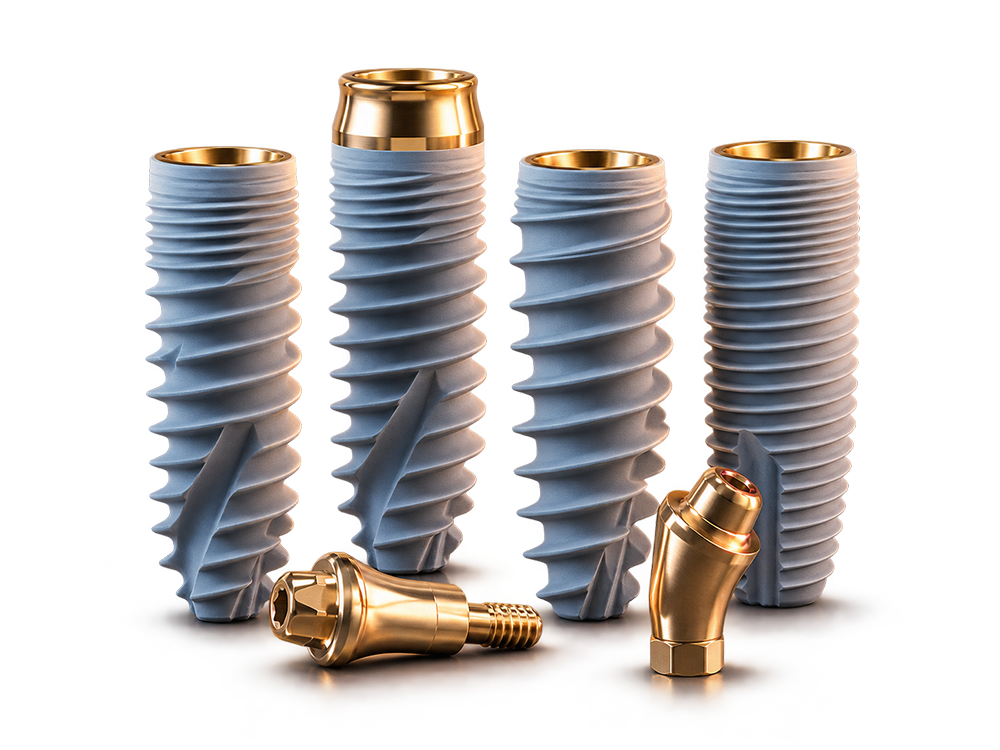
Capturing the position of an implant is a critical part of digital restorative dentistry. The scan body provides the reference that allows CAD software to identify the implant connection and its three-dimensional orientation.
SGS Dental offers dedicated scan bodies and digital laboratory analogues for its implant platforms, enabling implant positions to be transferred from an intraoral scan or laboratory model into a CAD/CAM workflow.
P1D – Conical Platform
The P1D system uses the SGS conical prosthetic connection, with dedicated CAD/CAM components including the SPCSD scan body and A1D digital analogue.
P7N – Narrow Conical Platform
The P7N has its own narrow conical connection, supported by the SPCN-2.1 scan body and A1N digital analogue.
Using the correct components and matching digital libraries is essential. Scan accuracy, component seating and the subsequent design and manufacturing stages all contribute to the final fit of the restoration.
Restorative flexibility, from single crowns to bridges.
Digital workflows extend well beyond the impression stage. With the appropriate CAD/CAM components, the captured implant position can be used to design patient-specific restorations and communicate the required information to the dental laboratory.
The SGS restorative range includes titanium bases for different clinical applications, with anti-rotational options for single-unit restorations and non-engaging options for suitable multi-unit restorations.
Combined with the corresponding digital libraries, these components support the design and manufacture of implant-supported prostheses while allowing clinicians and technicians to work with their preferred compatible CAD/CAM systems.
The result is a restorative workflow built around the clinical requirements of the case, rather than a single prescribed manufacturing process.
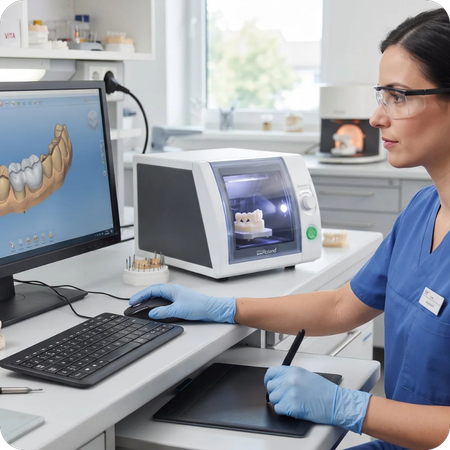
DIGITAL LIBRARIES & SOFTWARE
Work with the systems you already know.
Introducing a new implant system should not necessarily mean replacing your digital equipment or redesigning your laboratory workflow.
SGS Dental provides CAD/CAM libraries and software resources for a range of established digital dentistry platforms, including:
– exocad
– 3Shape
– Dental Wings
– Amann Girrbach
– Zirkonzahn
Additional resources are available for compatible implant planning and guided surgery software, including exoplan and RealGUIDE.
Available libraries, supported components and software versions vary by platform. Before beginning a digital restorative case, ensure that the selected library matches the implant connection, scan body and intended restorative interface.
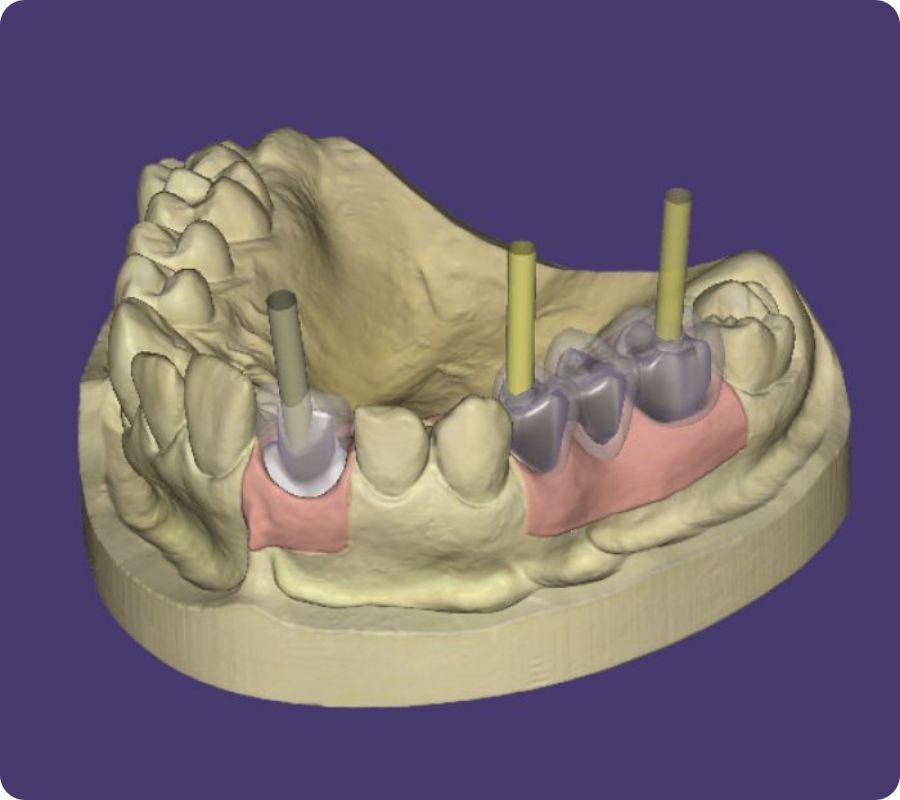
ADVANCED DIGITAL WORKFLOWS
Digital possibilities for full-arch rehabilitation
Digital techniques are also becoming increasingly relevant in complex, multi-implant restorative cases, where the accurate transfer of implant positions is particularly important.
The wider SGS Dental ecosystem includes SmartFlag scan bodies for full-arch workflows using compatible The-ONE multi-unit abutments. SGS has also published compatibility information for the Shining 3D Elite series photogrammetry workflow.
These solutions provide additional digital options for clinicians and laboratories working with multi-implant restorations. The appropriate approach depends on the clinical situation, prosthetic components and equipment being used.
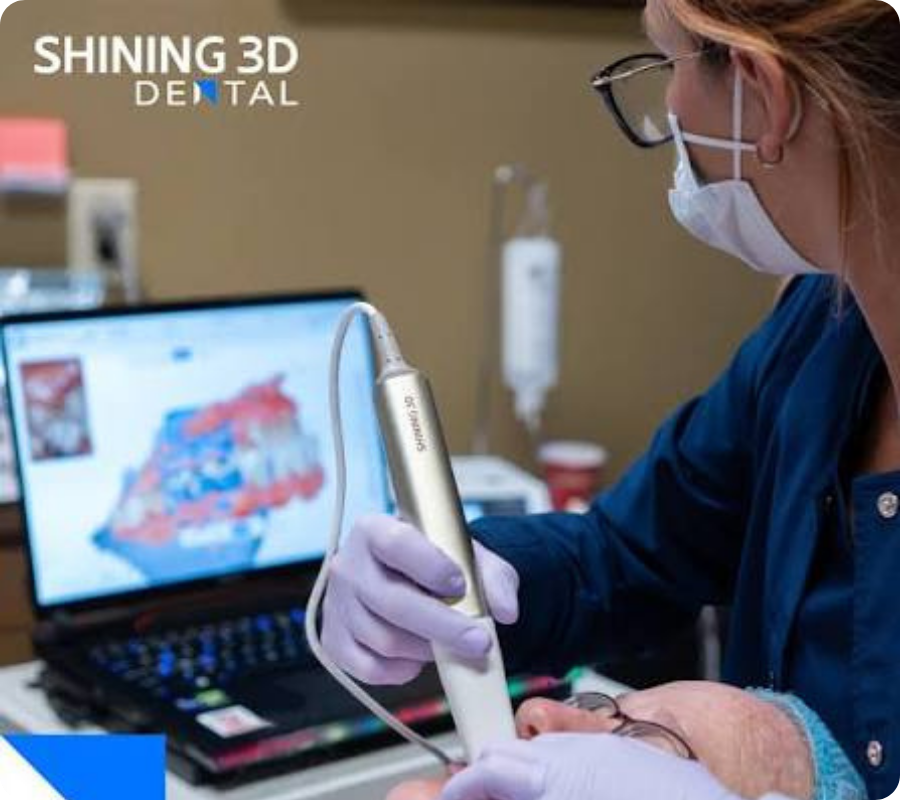
Make digital dentistry work for your practice.
Every practice has its own combination of scanners, design software, laboratory partners and restorative preferences. A digital workflow is only useful when its individual components work together correctly.
SGS Dental Implant UK can help you explore the digital components and resources relevant to your implant system, from identifying the appropriate scan body to locating CAD/CAM libraries for your restorative workflow.
If you are considering SGS implants or already work with the system and need information about digital restoration options, get in touch with our UK team.


