

NARROW-DIAMETER DESIGN
Available in 3.0 mm and 3.2 mm diameters for selected space-restricted sites.

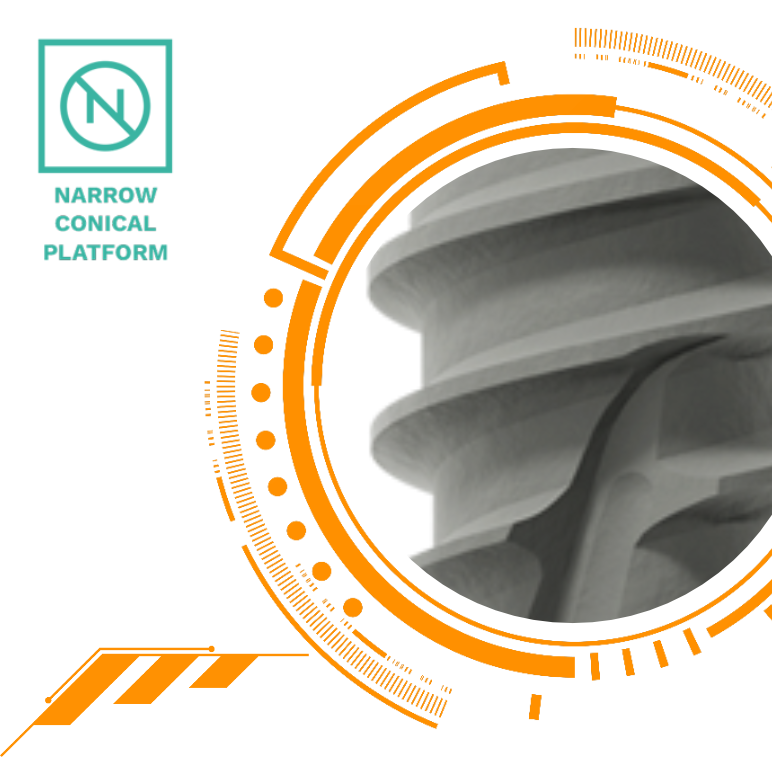
NARROW CONICAL CONNECTION
Dedicated SGS Narrow Conical Platform implant–abutment interface.

PLATFORM SWITCHING
An inward-positioned restorative interface relative to the implant shoulder.

SBTC SURFACE
SGS surface treatment technology applied to the implant body.
Why P7N?
A dedicated approach to dense bone
–
Dense cortical bone presents different surgical demands from softer bone. In D1 and D2 conditions, implant macrogeometry and osteotomy preparation must be considered together to establish appropriate primary stability while limiting excessive compression of the surrounding bone.
The SGS P1D is designed with these conditions in mind. Its closely spaced thread configuration makes it a dedicated option within the SGS portfolio for clinicians working in higher-density bone, particularly mandibular sites.
Implant selection should always reflect the available anatomy, bone quality, planned restoration and the manufacturer’s recommended surgical protocol.
IMPLANT DESIGN
Thread geometry and primary stability
–
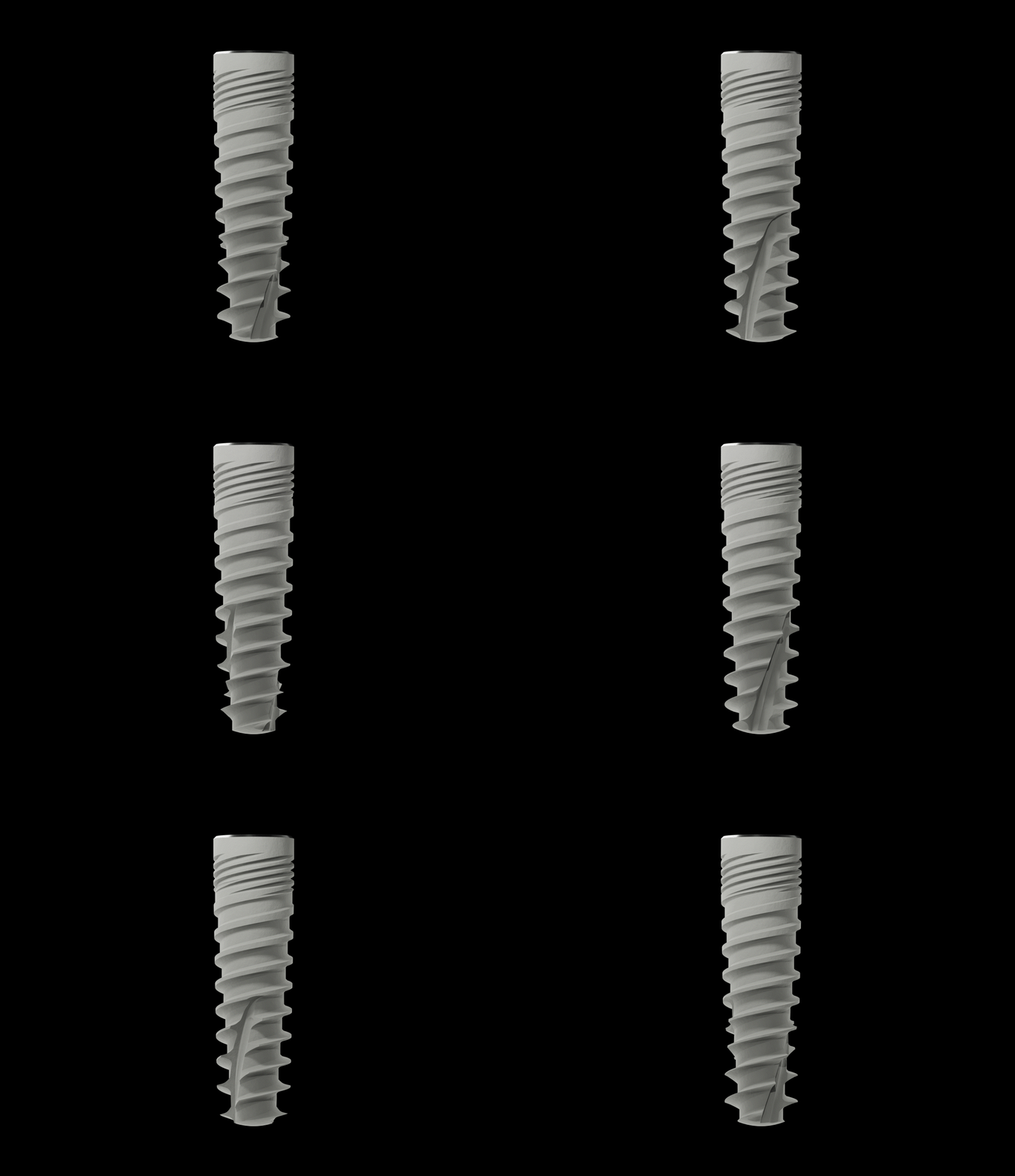
The P1D features a densely threaded design developed for use in hard-bone conditions. Its closely spaced threads are a defining feature of the implant’s macrogeometry and distinguish it from designs intended primarily for lower-density bone.
Primary stability depends on the interaction between implant geometry, bone quality and osteotomy preparation. In dense bone, achieving the highest possible insertion torque should not be the objective in itself. Appropriate site preparation is essential to establish mechanical stability without unnecessarily compressing the surrounding bone.
The drilling sequence should therefore follow the current P1D surgical protocol, with clinical judgement applied to the individual site.
CONNECTION & SURFACE
RESTORATIVE INTERFACE
SGS Narrow Conical Platform
–
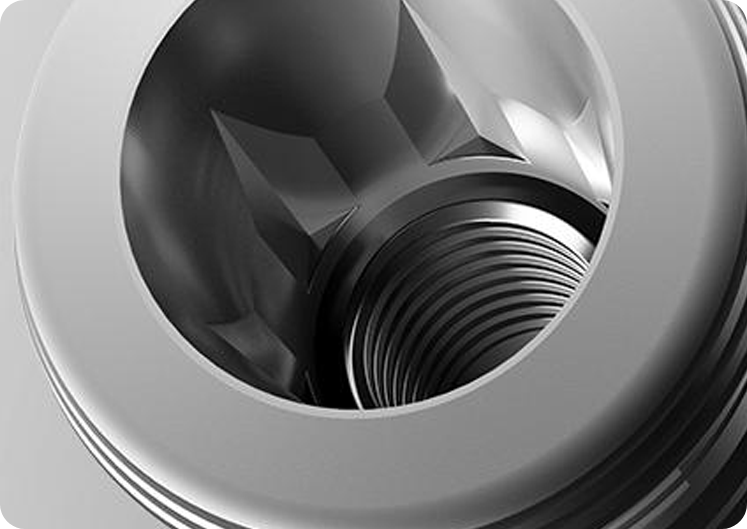
The P7N uses the SGS Narrow Conical Platform, a dedicated implant–abutment connection designed for the narrow implant range.
This connection incorporates platform switching and is distinct from the standard SGS Conical Platform used by P1D. P7N requires compatible narrow-platform restorative components, making connection selection an important part of prosthetic planning.
SURFACE TECHNOLOGY
SGS SBTC Surface
–
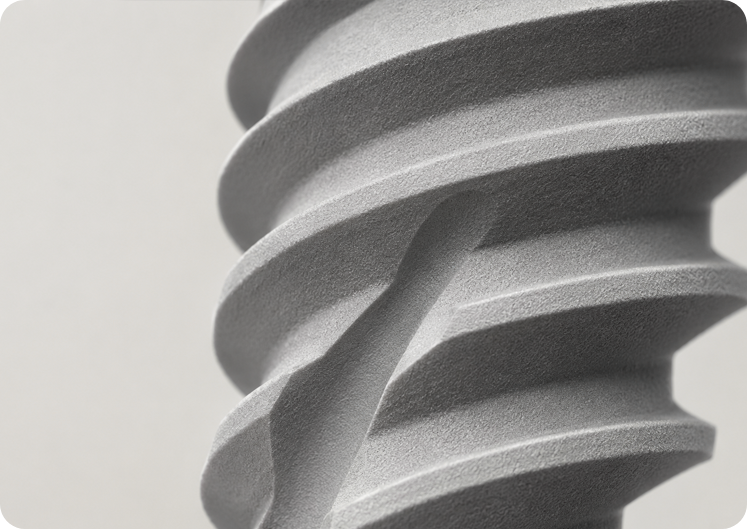
P7N incorporates SGS SBTC surface technology, which the manufacturer describes as a structured, hydrophilic surface developed to support early biological interaction at the implant interface.
Surface characteristics are one aspect of implant design. Healing and long-term clinical outcomes also depend on patient-related factors, surgical technique and restorative management.
PRODUCT SPECIFICATIONS
P7N Implant Dimensions
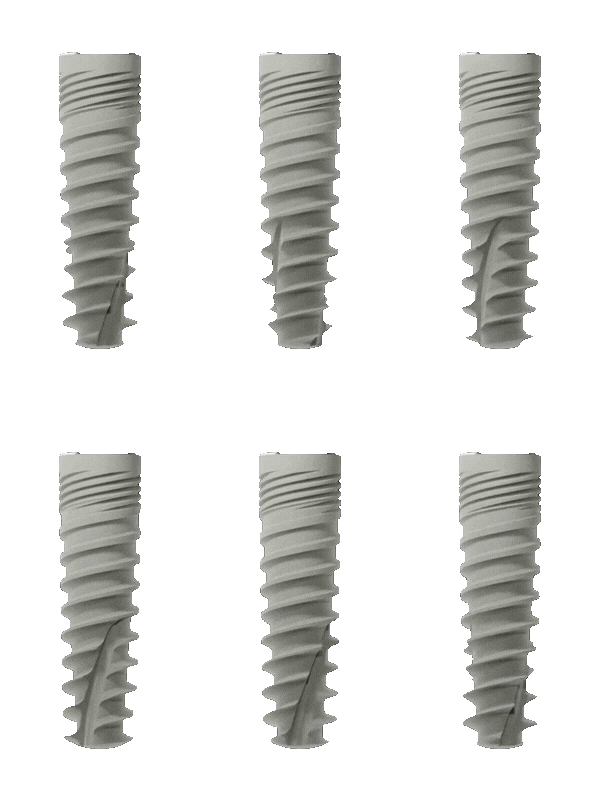
The P7N range is available in two narrow diameters: 3.0 mm and 3.2 mm. Implant lengths range from 8 mm to 16 mm, with the 8 mm length available only in the Ø 3.2 mm configuration.
| Length | Ø 3.0 mm | Ø 3.2 mm |
|---|---|---|
| 8 mm | – | ✓ |
| 10 mm | ✓ | ✓ |
| 11.5 mm | ✓ | ✓ |
| 13 mm | ✓ | ✓ |
| 16 mm | ✓ | ✓ |
Dimensions are based on the SGS Product Overview 2025 and manufacturer product information. UK stock availability should be confirmed before ordering.
Clinical considerations for P7N placement
SURGICAL PLANNING
Narrow-diameter implant treatment requires careful assessment of the available bone volume, mesiodistal space, adjacent roots, anatomical structures and planned prosthetic outcome. Implant diameter should be considered alongside the complete clinical and restorative situation.
Anatomical assessment
–
A reduced implant diameter may provide an option where space is limited, but sufficient surrounding bone and appropriate implant positioning remain essential. Narrow-diameter implants should not be selected solely to avoid augmentation or accommodate restricted anatomy without a full clinical assessment.
Primary stability and loading
–
Primary stability should be assessed at placement. Although SGS identifies immediate loading as a possible application, suitability depends on achieved stability, implant position, prosthetic design, occlusion and anticipated functional forces. Particular attention is required when assessing loading conditions for narrow-diameter implants.
Restorative planning
–
P7N uses a dedicated SGS Narrow Conical Platform with its own compatible restorative components. The planned prosthesis, available restorative space and anticipated mechanical loading should be considered before surgery.
Clinical information on this page is intended for qualified dental professionals and does not replace the current manufacturer instructions for use or surgical protocol.
Resources and support
PROFESSIONAL RESOURCES
Technical information when you need it
Access the information required to evaluate the P7N system, plan treatment and identify compatible surgical and restorative components.

Surgical Protocol
Review the manufacturer’s implant-specific drilling and placement recommendations.
Request →

Narrow Restorative Components
Explore compatible prosthetic components for the SGS Narrow Conical Platform.
Explore →

UK Clinical & Technical Support
Contact the SGS UK team for product information, component compatibility and professional enquiries.
Contact Us →
Frequently asked questions about P7N
What diameters are available?
P7N is available in 3.0 mm and 3.2 mm diameters.
What diameters are available?
P7N is available in 3.0 mm and 3.2 mm diameters.
What lengths are available?
The Ø 3.0 mm implant is available in 10, 11.5, 13 and 16 mm lengths. The Ø 3.2 mm implant is also available in an 8 mm length.
Is P7N suitable for narrow ridges?
P7N may be considered for selected narrow-ridge situations. Suitability depends on available bone
Can P7N be used in posterior regions?
Posterior use should not be assumed from the implant’s narrow diameter. The planned restoration, loading conditions, available anatomy and manufacturer indications must be assessed before use.
Does P7N use a conical connection?
Yes. P7N uses the dedicated SGS Narrow Conical Platform, incorporating platform switching.
Does P7N use the same abutments as P1D?
No. P7N uses a different, narrow conical connection and requires compatible narrow-platform restorative components.
Can P7N be immediately loaded?
SGS identifies immediate loading as a possible application. Suitability depends on achieved primary stability, restorative design, occlusal conditions and individual clinical circumstances.
Does P7N use the SBTC surface?
Yes. P7N incorporates SGS SBTC surface technology.
Considering P7N for your practice?
Explore the P7N system with the SGS UK team.
We can help you understand the available configurations, compatible narrow-platform components and technical resources.


